


ERTI GALLERY
Tbilisi, Georgia
2017
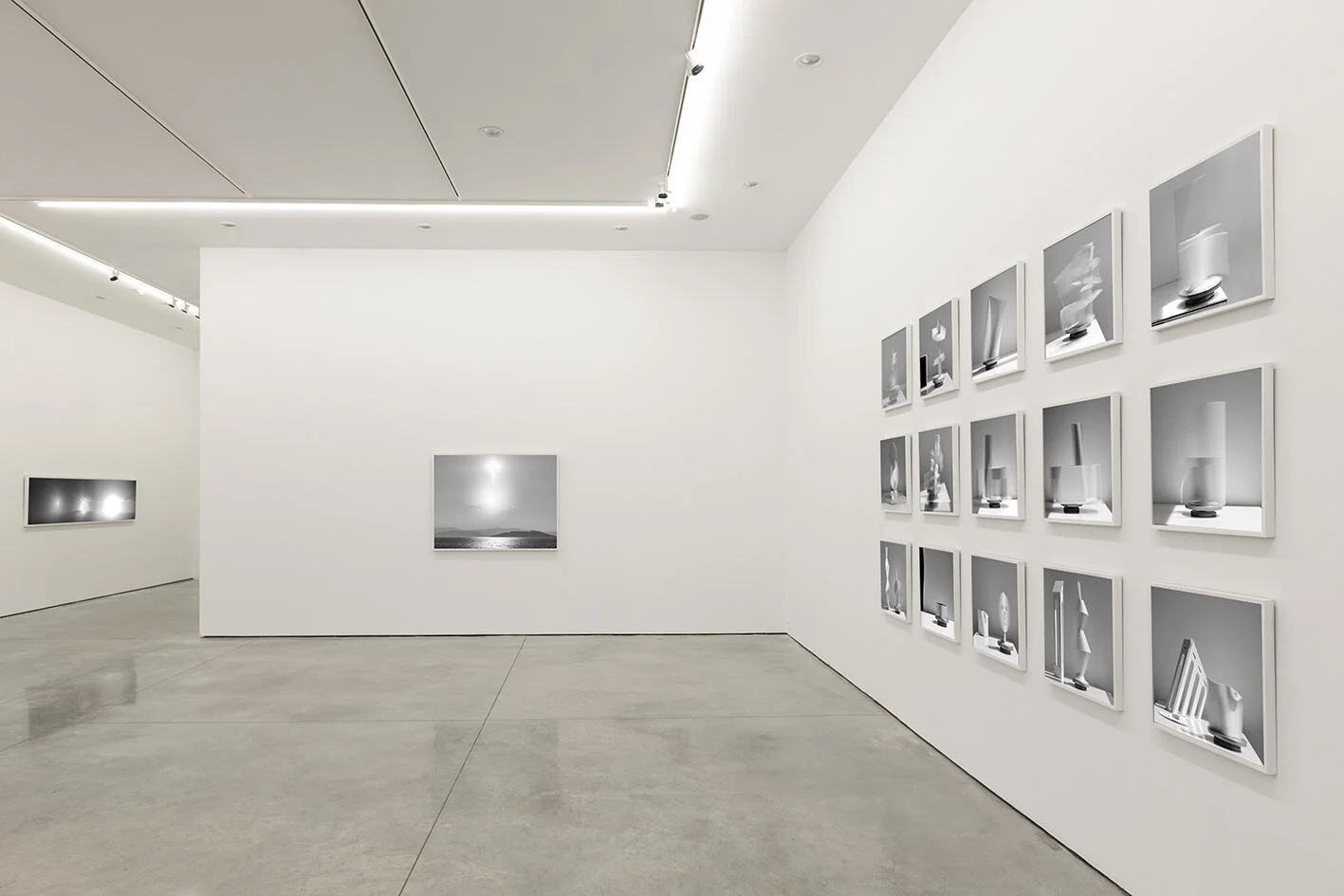
The gallery is conceived as a neutral architectural environment designed to frame and support contemporary art. The space is defined by clear geometry, controlled proportions, and a restrained material palette that allows the artwork to become the primary focus.
The interior is organized as a sequence of interconnected exhibition rooms. These spaces create a calm spatial rhythm that guides visitors through the gallery while maintaining visual clarity and openness.
White walls and minimal architectural detailing establish a neutral background for the exhibited works. The absence of decorative elements allows the art to exist independently from the architecture, reinforcing the gallery’s role as a quiet spatial framework.
Polished concrete floors introduce a subtle industrial character while maintaining the restrained atmosphere of the interior. The material palette remains intentionally minimal, emphasizing light, proportion, and spatial continuity.
Lighting plays a central architectural role in the project. Carefully positioned linear fixtures and spotlights create even illumination across the exhibition surfaces, allowing each artwork to be perceived with clarity and precision.
The gallery explores architecture as a silent spatial structure a place where light, proportion, and emptiness create the ideal conditions for experiencing contemporary art.
Program: Contemporary art gallery
Client: Private
Lead architect: Zurab Arabidze
Project team: Evgenia Romanova, Natalia Rebrova


DRAWINGS
TOTAL AREA : 202 M2 - ROOMS : 3 - FLOORS : 2


TBILISI
Tbilisi is the capital and largest city of Georgia, located within the valley of the Mtkvari River and surrounded by the mountainous landscape of the central Caucasus. The city has developed over centuries as an important cultural and economic center, where historic districts coexist with contemporary urban development.
The spatial character of Tbilisi is defined by its complex topography, dense historic fabric, and layered architectural history. Traditional houses, narrow streets, and modern buildings form a diverse urban landscape shaped by the surrounding hills, river valleys, and panoramic views across the city.
